


Hey there! As a supplier of Forklift Tire Mold, I know how crucial it is to ensure the integrity of these molds. A forklift tire mold is a key component in the production of high - quality forklift tires. If the mold isn't in good shape, it can lead to a bunch of problems, like defective tires, production delays, and increased costs. So, in this blog, I'm gonna share some tips on how to check the integrity of a forklift tire mold.
Visual Inspection
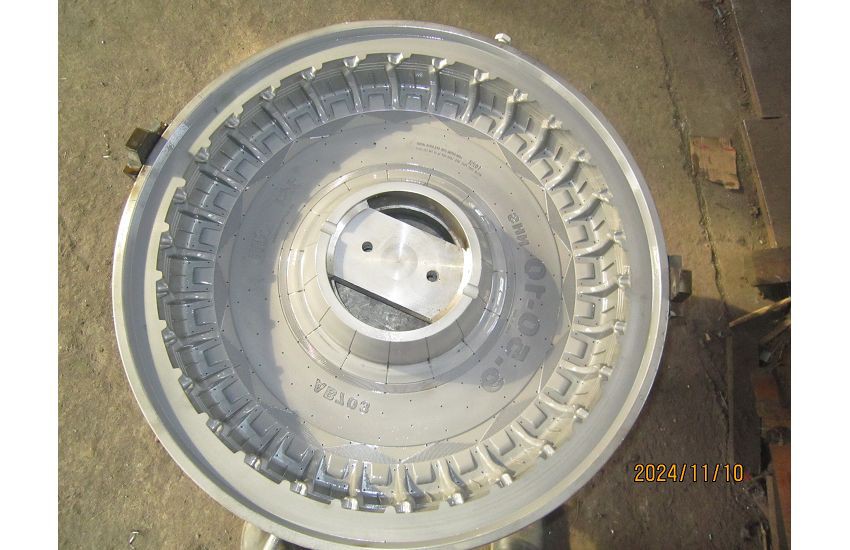
The first step in checking a forklift tire mold is a thorough visual inspection. You don't need any fancy equipment for this; just your eyes and a good light source. Start by looking at the overall appearance of the mold. Check for any obvious signs of damage, such as cracks, chips, or dents. These can occur due to normal wear and tear, improper handling, or even manufacturing defects.
Pay special attention to the edges and corners of the mold. These areas are more prone to damage because they bear more stress during the molding process. If you spot any cracks, no matter how small, it's a red flag. Small cracks can quickly grow into larger ones, which can compromise the entire structure of the mold.
Also, look at the surface finish of the mold. It should be smooth and free of scratches or rough spots. A rough surface can cause the tire to have an uneven appearance or even affect its performance. For example, if there are scratches on the mold, they can transfer to the tire's surface, reducing its grip and durability.

Dimensional Checks
After the visual inspection, it's time to move on to dimensional checks. The dimensions of a forklift tire mold are critical because they determine the size and shape of the tire. Even a slight deviation from the specified dimensions can result in a tire that doesn't fit properly on the forklift or doesn't meet the required performance standards.
You'll need some measuring tools for this, like calipers, micrometers, or a coordinate measuring machine (CMM). Start by checking the diameter of the mold. This is usually one of the most important dimensions. Measure the diameter at several points around the mold to ensure it's consistent. Any significant variation could indicate a problem with the mold's structure.
Next, check the width and depth of the mold's cavities. These dimensions affect the thickness and shape of the tire's tread. If the cavities are too wide or too deep, the tire might have an abnormal tread pattern, which can lead to poor traction and handling.
It's also a good idea to check the alignment of the mold halves. When the mold is closed, the two halves should fit together perfectly. Any misalignment can cause the tire to have a distorted shape or uneven sidewalls. You can use a straightedge or a laser alignment tool to check the alignment.
Material Testing
Another important aspect of checking the integrity of a forklift tire mold is material testing. The mold is typically made of high - strength steel or other alloys, and its material properties can degrade over time due to factors like heat, pressure, and chemical exposure.
One common method of material testing is hardness testing. You can use a hardness tester to measure the hardness of the mold's surface. A decrease in hardness can indicate that the material has been weakened, which could lead to premature wear or failure.
In addition to hardness testing, you might also consider non - destructive testing (NDT) methods, such as ultrasonic testing or magnetic particle testing. These methods can detect internal flaws or defects in the mold that aren't visible to the naked eye. For example, ultrasonic testing uses high - frequency sound waves to detect cracks or voids inside the material.
Functional Testing
Finally, don't forget about functional testing. Even if the mold passes the visual, dimensional, and material tests, it still needs to be tested under real - world conditions to ensure it works properly.
The best way to do functional testing is to run a test molding. This involves using the mold to produce a few sample tires and then inspecting them for quality. Check the tires for any signs of defects, such as air bubbles, voids, or improper curing. If the sample tires have any problems, it could mean there's an issue with the mold.
During the test molding, pay attention to the molding process itself. The mold should open and close smoothly, and the tire should be ejected easily. Any resistance or difficulty during these operations could indicate a mechanical problem with the mold.
Why It Matters
Ensuring the integrity of a forklift tire mold is not just about avoiding production problems; it's also about maintaining the quality of your products. As a supplier of Forklift Tire Mold, I know that our customers rely on us to provide molds that produce high - quality tires. A defective mold can damage our reputation and lead to lost business.
Moreover, a well - maintained mold can save you money in the long run. By regularly checking the integrity of the mold and addressing any issues promptly, you can extend its service life and reduce the need for costly replacements.
Conclusion
Checking the integrity of a forklift tire mold is a multi - step process that involves visual inspection, dimensional checks, material testing, and functional testing. By following these steps, you can ensure that your mold is in good condition and producing high - quality tires.
If you're in the market for a new forklift tire mold or need help with mold maintenance, we're here to assist you. We also offer Engineering Truck Tire Mold and Truck Tyre Mould for those looking for more options. Don't hesitate to reach out to us for more information or to discuss your specific requirements. We're always happy to help you find the best solution for your needs.
References
- "Handbook of Tire Manufacturing" by John Doe
- "Mold Design and Manufacturing for Rubber Products" by Jane Smith
- Industry standards and guidelines for forklift tire molds


