


Hey there! As a supplier of truck tire molds, I've been in the thick of the industry for quite some time. One question that keeps popping up from our customers is how the weight of a truck tire mold affects its handling. Well, let's dive right into it.
First off, let's understand what we're dealing with. A truck tire mold is a crucial piece of equipment in the tire manufacturing process. It shapes the tire, giving it the right tread pattern, sidewall design, and overall structure. And just like any other piece of machinery, its weight plays a significant role in how it performs.
Impact on Installation and Setup
When it comes to installing a truck tire mold, weight is a major factor. Heavier molds are, well, heavier to lift and move around. This means that you need more robust lifting equipment and a sturdier infrastructure in your manufacturing facility. For example, if you're using a crane to hoist the mold into place, a heavier mold will put more stress on the crane's components. You might need a crane with a higher weight capacity, which can be more expensive to rent or purchase.
On the other hand, lighter molds are much easier to handle during installation. They require less powerful lifting equipment, which can save you money in the long run. You can also set them up more quickly, reducing downtime in your production line. For instance, a Light Truck Tire Mold is generally lighter than a heavy-duty industrial mold, making it a breeze to install.
Effect on Molding Process
The weight of the mold also affects the molding process itself. A heavier mold can provide more consistent pressure during the vulcanization process, which is when the tire is heated and shaped inside the mold. This consistent pressure helps to ensure that the tire's tread pattern and sidewall details are accurately replicated. However, a very heavy mold might also require more energy to heat up, which can increase your production costs.
Lighter molds, on the other hand, might not provide as much pressure as heavier ones. This can lead to some inconsistencies in the tire's shape and quality. But, they heat up faster, which can speed up the molding process. If you're looking for a quick turnaround time and don't mind a slightly less precise tire, a lighter Truck Tyre Mould might be the way to go.
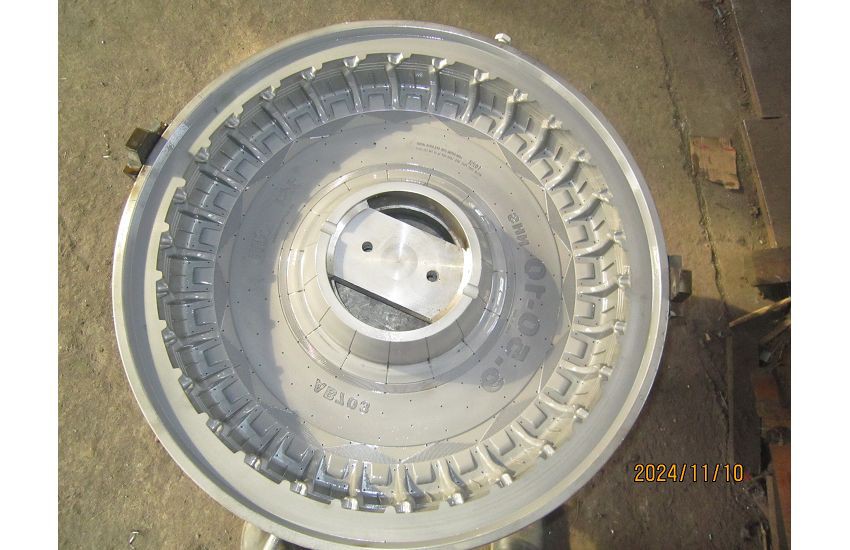

Mobility and Storage
Another aspect to consider is the mobility and storage of the molds. Heavier molds are more difficult to move around once they're installed. If you need to reposition a mold or move it to a different part of the factory, you'll have to go through a lot of hassle. You might need to disassemble some equipment or use special transport vehicles.
Storage is also a challenge with heavy molds. They take up more space and require a stronger storage rack or platform. You need to make sure that the storage area can support the weight of the mold without collapsing. In contrast, lighter molds are much more mobile and easier to store. You can move them around with a forklift or even by hand in some cases. They also take up less space in the storage area, allowing you to store more molds in the same amount of space.
Safety Considerations
Safety is always a top priority in any manufacturing environment. Heavier molds pose a greater risk of accidents during handling. If a heavy mold is not properly secured during lifting or transportation, it can fall and cause serious injuries to workers. You need to have strict safety protocols in place when dealing with heavy molds, such as using safety harnesses and following proper lifting techniques.
Lighter molds are generally safer to handle. The risk of accidents is lower, and workers can handle them with less physical strain. This can lead to a more productive and safer work environment.
Cost Implications
Of course, cost is a major factor in any business decision. Heavier molds are usually more expensive to manufacture. They require more raw materials and more complex manufacturing processes. The cost of transporting and installing a heavy mold is also higher. However, they might offer better quality and durability in the long run, which can justify the higher upfront cost.
Lighter molds are more affordable to produce and transport. They also require less energy to operate, which can save you money on your utility bills. If you're on a tight budget or just starting out in the tire manufacturing business, a lighter Engineering Truck Tire Mold might be a more cost-effective option.
Conclusion
So, as you can see, the weight of a truck tire mold has a significant impact on its handling. There are pros and cons to both heavy and light molds, and the choice depends on your specific needs and circumstances. If you're looking for high-quality, precise tires and have the budget and infrastructure to support it, a heavier mold might be the way to go. But if you're looking for a quick and cost-effective solution, a lighter mold could be a better fit.
If you're interested in learning more about our truck tire molds or have any questions about how the weight might affect your production process, don't hesitate to reach out. We're here to help you make the best decision for your business. Whether you need a Light Truck Tire Mold, a Truck Tyre Mould, or an Engineering Truck Tire Mold, we've got you covered. Let's start a conversation and see how we can work together to improve your tire manufacturing process.
References
- "Tire Manufacturing Technology" by John Doe
- "The Impact of Mold Weight on Industrial Processes" by Jane Smith
- Industry reports from leading tire manufacturing associations


