


Can a forklift tire mold be reused? This is a question that many in the industry often ponder, and as a dedicated forklift tire mold supplier, I'm excited to share insights on this topic.
The Basics of Forklift Tire Molds
Forklift tire molds are essential tools in the manufacturing process of forklift tires. They are precision - engineered to shape the tires, imparting the desired tread patterns, sidewall markings, and overall tire dimensions. These molds are typically made from high - quality steel or other durable materials to withstand the high pressures and temperatures involved in the tire molding process.

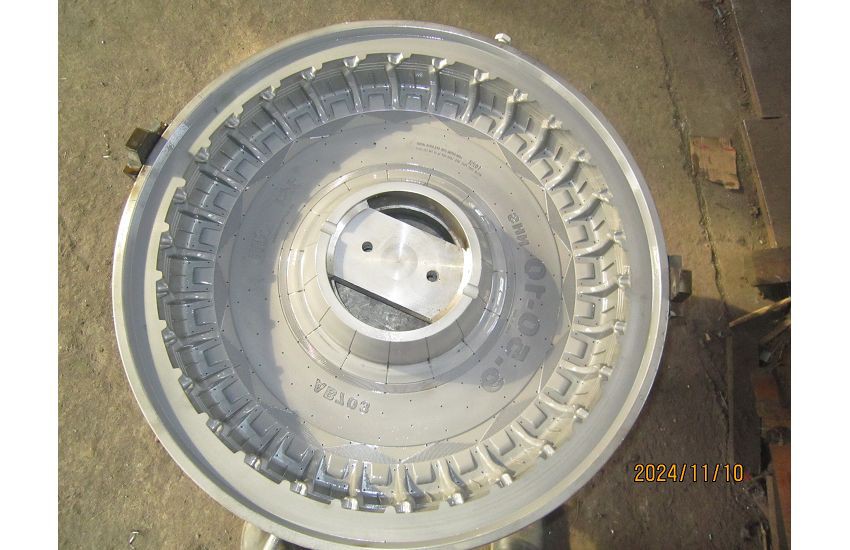
The manufacturing of a forklift tire mold is a complex and time - consuming process. It requires advanced machining techniques, such as CNC (Computer Numerical Control) machining, to ensure the accuracy of the mold's design. The cost of producing a single mold can be substantial, considering the materials, labor, and technological expertise involved.
Factors Affecting the Reusability of Forklift Tire Molds
Wear and Tear
One of the primary factors that determine whether a forklift tire mold can be reused is the level of wear and tear it has endured. During the tire molding process, the mold is subjected to repeated cycles of high pressure, high temperature, and contact with rubber compounds. Over time, this can cause the surface of the mold to wear down, resulting in a loss of precision in the tire's shape and tread pattern.
For example, the edges of the tread grooves may become rounded, or the sidewall markings may become less distinct. If the wear is too severe, it can lead to defects in the tires produced, such as uneven tread wear or poor sidewall quality. In such cases, the mold may no longer be suitable for reuse.
Damage
Physical damage to the mold can also render it non - reusable. This can include cracks, chips, or dents in the mold's surface. Cracks, in particular, are a serious concern as they can propagate under the high pressures of the molding process, potentially leading to the complete failure of the mold. Damage can occur due to improper handling during transportation or maintenance, or as a result of foreign objects getting into the mold cavity during the molding process.
Technological Advancements
The tire industry is constantly evolving, with new tire designs and technologies emerging regularly. If a forklift tire mold was designed for an older tire model or a less advanced tire technology, it may not be suitable for producing the latest generation of forklift tires. For instance, modern forklift tires may require more complex tread patterns for better traction and handling, or they may be made from new rubber compounds that require different molding conditions. In such cases, even if the mold is in good physical condition, it may need to be replaced to keep up with market demands.
Reusing Forklift Tire Molds: The Process
If a forklift tire mold shows signs of wear but is still potentially reusable, it can undergo a refurbishment process. The first step in this process is a thorough inspection of the mold. This involves using advanced non - destructive testing techniques, such as ultrasonic testing or magnetic particle testing, to detect any hidden cracks or defects in the mold.
Once the inspection is complete, the mold can be cleaned to remove any residual rubber, dirt, or contaminants from its surface. This is typically done using specialized cleaning agents and equipment, such as high - pressure water jets or chemical baths.
After cleaning, the worn areas of the mold can be repaired. This may involve techniques such as welding, where new material is added to the worn areas and then machined to the correct dimensions. Surface treatments, such as hard chrome plating, can also be applied to improve the mold's resistance to wear and corrosion.
Advantages of Reusing Forklift Tire Molds
Cost Savings
One of the most significant advantages of reusing forklift tire molds is cost savings. As mentioned earlier, the production of a new forklift tire mold can be expensive. By reusing and refurbishing existing molds, tire manufacturers can significantly reduce their production costs. This cost savings can be passed on to customers, making forklift tires more affordable.
Environmental Benefits
Reusing forklift tire molds also has environmental benefits. The manufacturing of new molds requires the consumption of large amounts of raw materials and energy. By extending the lifespan of existing molds, we can reduce the demand for new mold production, which in turn reduces the environmental impact associated with mining, processing, and manufacturing.
Limitations and Considerations
While reusing forklift tire molds has its advantages, there are also some limitations and considerations. Refurbishing a mold requires specialized skills and equipment. Not all tire manufacturers may have the in - house capabilities to perform the necessary inspections, repairs, and surface treatments. In such cases, they may need to outsource the refurbishment process, which can add to the overall cost.
Moreover, there is always a risk that the refurbished mold may not perform as well as a new mold. Even after refurbishment, there may still be some minor variations in the tire's quality compared to those produced by a brand - new mold. Tire manufacturers need to carefully evaluate the cost - benefit ratio of reusing a mold versus purchasing a new one.
Conclusion
In conclusion, whether a forklift tire mold can be reused depends on several factors, including wear and tear, damage, and technological advancements. While there are limitations and considerations, reusing forklift tire molds can offer significant cost savings and environmental benefits. As a forklift tire mold supplier, we are committed to providing our customers with high - quality molds and also offering guidance on mold reuse and refurbishment.
If you are in the market for Truck Tyre Mould, Light Truck Tire Mold, or Dump Truck Tire Mold, or if you have questions about the reusability of your existing molds, we encourage you to contact us for a detailed discussion. Our team of experts is ready to assist you in making the best decision for your tire manufacturing needs.
References
- Tire Manufacturing Handbook: A Comprehensive Guide to Tire Production Processes, published by Tire Industry Press.
- Journal of Rubber Technology, various issues on mold technology and tire manufacturing.
- Proceedings of the International Tire Technology Conference, relevant papers on mold reuse and refurbishment.


