


As a supplier of motorcycle tire molds, I've often been asked about the environmental impacts associated with their production. In this blog post, I'll delve into the various aspects of the production process and explore the potential environmental implications.
Raw Material Extraction and Processing
The production of motorcycle tire molds begins with the extraction of raw materials, primarily metals such as steel and aluminum. Mining these metals has significant environmental consequences. For instance, the extraction of iron ore, a key component in steel production, often involves large - scale open - pit mining. This can lead to deforestation, soil erosion, and the destruction of natural habitats. The process also consumes vast amounts of water, which can disrupt local water supplies and aquatic ecosystems.
Once the raw materials are mined, they need to be processed into usable forms. Steel production, for example, is energy - intensive. The basic oxygen furnace method, which is commonly used, requires large amounts of coal or coke as a fuel source. Burning these fossil fuels releases a substantial amount of carbon dioxide (CO₂) into the atmosphere, contributing to global warming. Additionally, the production process generates other pollutants such as sulfur dioxide (SO₂), nitrogen oxides (NOₓ), and particulate matter, which can have detrimental effects on air quality and human health.
Manufacturing Processes
The manufacturing of motorcycle tire molds involves several complex processes, including machining, heat treatment, and surface finishing. Machining operations, such as turning, milling, and drilling, generate a significant amount of waste material in the form of metal chips. These chips, if not properly managed, can end up in landfills, contributing to the growing problem of industrial waste.
Heat treatment is another crucial step in mold production. This process is used to improve the hardness, strength, and durability of the molds. However, it is also energy - intensive. Many heat treatment methods rely on high - temperature furnaces that are powered by fossil fuels. The combustion of these fuels releases greenhouse gases and other pollutants, similar to the raw material processing stage.
Surface finishing processes, such as electroplating and coating, are used to enhance the surface properties of the molds, such as corrosion resistance and wear resistance. Electroplating involves the use of various chemicals, including heavy metals like chromium and nickel. These chemicals can be highly toxic if released into the environment. Improper disposal of electroplating waste can contaminate soil and water sources, posing a threat to both human and ecological health.
Energy Consumption
The production of motorcycle tire molds is energy - intensive at every stage, from raw material extraction to the final manufacturing processes. The energy used in our facilities comes mainly from non - renewable sources, such as coal, oil, and natural gas. The high energy consumption not only contributes to greenhouse gas emissions but also places a strain on global energy resources.
In addition to the direct energy used in the production process, there is also indirect energy consumption associated with the transportation of raw materials and finished products. The transportation of heavy metal ingots and large molds over long distances by trucks, trains, or ships further increases the carbon footprint of the production process.
Waste Generation and Disposal
As mentioned earlier, the production of motorcycle tire molds generates a significant amount of waste. In addition to metal chips from machining operations, there are also waste chemicals from surface finishing processes, as well as scrap molds that do not meet quality standards.
Proper waste management is crucial to minimize the environmental impact. However, in some cases, waste disposal can be challenging. For example, the disposal of hazardous waste from electroplating requires special treatment facilities to ensure that the toxic chemicals are neutralized and safely disposed of. Improper disposal of such waste can lead to long - term environmental contamination.
Our Efforts to Mitigate Environmental Impacts
At our company, we are aware of the environmental challenges associated with the production of motorcycle tire molds, and we are taking steps to mitigate these impacts.
We are investing in research and development to find more sustainable raw materials. For example, we are exploring the use of recycled metals in our mold production. Recycling metals not only reduces the demand for virgin raw materials but also requires less energy compared to primary metal production. By using recycled steel or aluminum, we can significantly reduce the carbon footprint of our products.
In terms of energy consumption, we are gradually transitioning to renewable energy sources. We have installed solar panels on the rooftops of our manufacturing facilities to generate a portion of the electricity we need. This not only reduces our reliance on non - renewable energy but also helps to lower our greenhouse gas emissions.
We are also improving our waste management practices. We have implemented a comprehensive recycling program for metal chips and scrap molds. The recycled metal is then reused in our production processes, reducing the amount of waste sent to landfills. Additionally, we are working closely with our chemical suppliers to find more environmentally friendly alternatives for surface finishing processes and to ensure proper disposal of waste chemicals.
The Future of Sustainable Motorcycle Tire Mold Production
Looking ahead, the future of motorcycle tire mold production lies in sustainable practices. We believe that by adopting more environmentally friendly technologies and processes, we can reduce the environmental impact of our products while still meeting the high - quality standards expected by our customers.

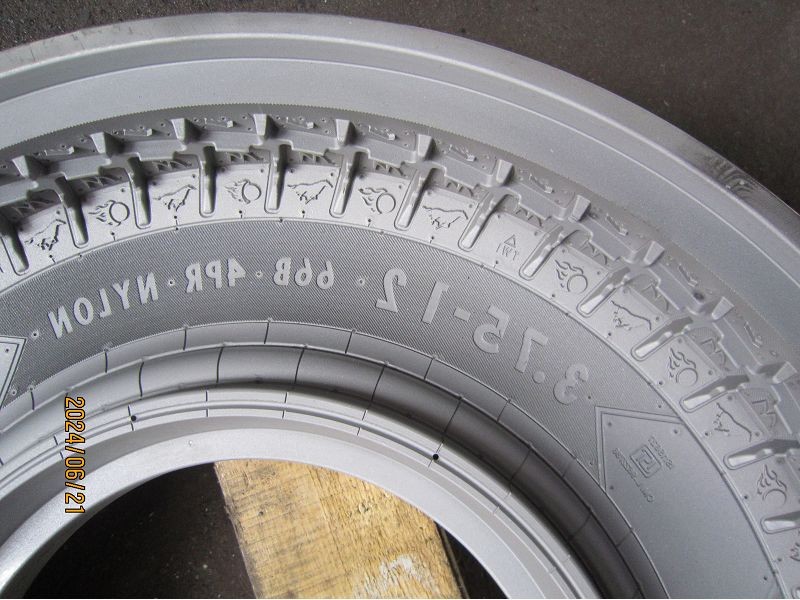
One area of focus is the development of more energy - efficient manufacturing processes. For example, new machining techniques are being developed that require less energy and generate less waste. Additionally, advancements in heat treatment technologies are allowing for more precise control of the process, reducing energy consumption and improving the quality of the molds.
Another important aspect is the circular economy approach. By designing our molds for disassembly and reuse, we can extend their lifespan and reduce the need for new mold production. This not only conserves resources but also reduces waste generation.
Conclusion
In conclusion, the production of motorcycle tire molds does have significant environmental impacts, from raw material extraction to waste disposal. However, as a responsible supplier, we are committed to taking steps to minimize these impacts. Through the use of sustainable raw materials, energy - efficient manufacturing processes, and proper waste management, we can reduce our carbon footprint and contribute to a more sustainable future.
If you are interested in our Electric Motorcycle Tire Mold, Motocross Tire Mold, or Motorcycle Tyre Mold, and would like to discuss your specific requirements, we welcome you to reach out for a procurement discussion. We are eager to work with you to provide high - quality, environmentally - conscious motorcycle tire molds.
References
- Alting, Leo, and Thomas Brosius. "Sustainable manufacturing: The state of the art." CIRP Annals - Manufacturing Technology 52.1 (2003): 567 - 590.
- Gutowski, Timothy G., et al. "Energy and environmental impacts of manufacturing processes." Annual review of environment and resources 33 (2008): 311 - 337.
- Singh, Surinder P., and Shalabh Kaushik. "A review on sustainable manufacturing: trends and challenges." International Journal of Sustainable Manufacturing 2.1 - 2 (2010): 1 - 19.


