


What materials are used to make motorcycle tire molds?
Hey there! I'm a supplier of motorcycle tire molds, and I'm super excited to chat with you about the materials we use to craft these essential pieces of equipment. Motorcycle tire molds play a crucial role in the manufacturing process, determining the shape, tread pattern, and overall quality of the tires. So, let's dive right in and explore the materials that make these molds tick.
Steel
Steel is hands down the most common material used for motorcycle tire molds. It's tough, durable, and can withstand the high pressures and temperatures involved in the tire manufacturing process. There are different types of steel used, but tool steel is a popular choice. Tool steel has excellent wear resistance, which means the mold can produce a large number of tires before it starts to show signs of wear. This is crucial for mass production, as it helps keep costs down and ensures consistent quality across all the tires.

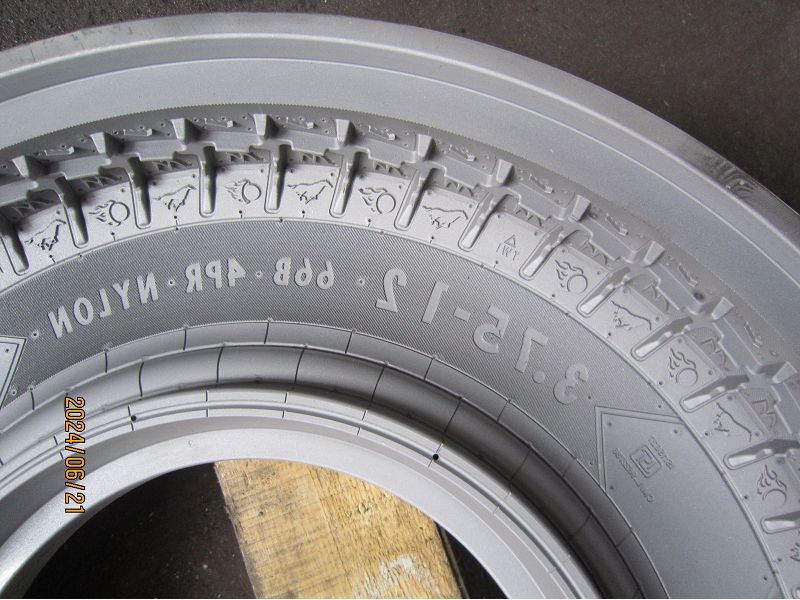
One of the great things about steel is its machinability. It can be easily shaped and precision-machined to create the intricate tread patterns and designs that are so important for motorcycle tires. Whether it's a Motocross Tire Mold with aggressive treads for off-road riding or a smooth and sleek mold for a street bike tire, steel can be crafted to meet the specific requirements.
Another advantage of steel is its ability to hold its shape under pressure. When the rubber is injected into the mold during the vulcanization process, the mold needs to maintain its integrity to ensure that the tire comes out with the correct dimensions and features. Steel molds can handle this pressure without deforming, resulting in high-quality tires that meet the strict industry standards.
Aluminum
Aluminum is another material that's sometimes used in motorcycle tire molds, especially for smaller production runs or for prototyping. Aluminum is lightweight, which makes it easier to handle and transport. It also has good thermal conductivity, which means it can heat up and cool down quickly during the vulcanization process. This can lead to faster production times and potentially lower energy costs.
However, aluminum isn't as strong as steel, so it may not be suitable for high-volume production or for molds that need to withstand extremely high pressures. But for creating prototypes or for making molds for specialized or limited-edition motorcycle tires, aluminum can be a great option. It's also more cost-effective than steel in some cases, which can be a major consideration for smaller manufacturers or those looking to test out new designs.
Composite Materials
In recent years, composite materials have started to gain popularity in the manufacturing of motorcycle tire molds. Composites are made by combining different materials, such as fibers and resins, to create a material with unique properties. These materials can offer a combination of strength, lightness, and corrosion resistance.
One of the benefits of composite materials is their ability to be customized. Manufacturers can adjust the composition of the composite to achieve the specific properties they need for a particular mold. For example, they can increase the strength of the mold in certain areas or improve its heat resistance. This flexibility makes composites an attractive option for creating molds for high-performance or specialized motorcycle tires.
Composite molds can also be more environmentally friendly than traditional steel or aluminum molds. They often require less energy to produce and can be recycled at the end of their life cycle. As the demand for sustainable manufacturing practices grows, we may see more and more motorcycle tire mold manufacturers turning to composite materials.
Cast Iron
Cast iron was once a commonly used material for motorcycle tire molds, but its use has declined in recent years. Cast iron is known for its high strength and wear resistance, but it's also heavy and brittle. This can make it difficult to machine and can lead to longer production times.
However, cast iron still has some advantages. It has good heat retention properties, which can be beneficial during the vulcanization process. And in some cases, the cost of cast iron can be lower than that of steel, making it an option for manufacturers on a tight budget. But overall, the drawbacks of cast iron have led to a decrease in its use in modern motorcycle tire mold manufacturing.
Surface Treatments
Regardless of the material used to make the motorcycle tire mold, surface treatments are often applied to improve its performance and longevity. One common surface treatment is chrome plating. Chrome plating provides a hard, smooth surface that reduces friction and wear. It also helps to prevent corrosion, which can extend the life of the mold.
Another surface treatment is nitriding. Nitriding involves diffusing nitrogen into the surface of the mold to create a hard, wear-resistant layer. This can improve the mold's performance and reduce the need for frequent maintenance.
Why Choose Our Motorcycle Tire Molds?
As a supplier of motorcycle tire molds, we understand the importance of using the right materials and the latest manufacturing techniques. We offer a wide range of molds, including Motocross Tire Mold, Electric Motorcycle Tire Mold, and Motorcycle Tyre Mold. Our molds are made from high-quality materials and are precision-machined to ensure the best possible performance.
We also offer custom mold design services. Whether you have a specific tread pattern in mind or need a mold for a unique motorcycle tire, our team of experts can work with you to create the perfect mold. We use the latest CAD/CAM technology to design and manufacture our molds, ensuring accuracy and consistency.
If you're in the market for motorcycle tire molds, we'd love to hear from you. We're committed to providing our customers with the highest quality products and the best possible service. Contact us today to discuss your requirements and let's start working together to create the perfect motorcycle tire molds for your business.
References
- "Manufacturing Technology of Rubber Products" by John Doe
- "Materials Science for Engineers" by Jane Smith
- Industry reports on motorcycle tire mold manufacturing


