


When it comes to the manufacturing of forklift tire molds, the choice of materials plays a pivotal role in determining the quality, durability, and performance of the final product. As a reputable forklift tire mold supplier, I understand the significance of using the right materials to meet the diverse needs of our customers. In this blog post, I will delve into the various materials commonly used in the production of forklift tire molds and their unique characteristics.
Steel
Steel is one of the most widely used materials for manufacturing forklift tire molds due to its exceptional strength, durability, and heat resistance. High - quality steel alloys can withstand the high pressures and temperatures involved in the tire molding process without deforming or losing their shape.
There are different types of steel used in mold making. Tool steel, for example, is a popular choice. It has excellent wear resistance, which is crucial as the mold comes into contact with the hot rubber compound during the molding process. The hardness of tool steel can be precisely controlled through heat treatment, allowing for the creation of molds with sharp and detailed patterns on the tire surface. This is essential for producing forklift tires with good traction and performance.
Stainless steel is another option. It offers corrosion resistance, which is beneficial when the molds are exposed to moisture or certain chemicals during the manufacturing process or storage. Although stainless steel is generally more expensive than regular tool steel, its long - term durability and low maintenance requirements can make it a cost - effective choice in the long run.
Aluminum
Aluminum is also used in the production of forklift tire molds, especially for some specialized applications. One of the main advantages of aluminum is its low density, which makes the molds lighter compared to steel molds. This can reduce the overall weight of the equipment used in the tire manufacturing process, leading to lower energy consumption and easier handling.
Aluminum has good thermal conductivity. This means that it can transfer heat more efficiently during the vulcanization process, which is the step where the rubber is cured to form the tire. Faster heat transfer can result in shorter cycle times for tire production, increasing the overall productivity of the manufacturing process.
However, aluminum is not as strong as steel. It has lower wear resistance and may not be suitable for high - volume production or for creating molds with very detailed and complex patterns. For molds that will be subjected to high pressures and heavy use, steel is still the preferred choice.

Cast Iron
Cast iron has a long history of use in mold making. It is relatively inexpensive and easy to cast into complex shapes. Cast iron molds can provide good dimensional stability, which is important for ensuring that the forklift tires produced have consistent sizes and shapes.

The graphite structure in cast iron gives it some self - lubricating properties, which can be beneficial during the molding process. It can also dampen vibrations, reducing the noise and wear on the molding equipment.
On the downside, cast iron is brittle compared to steel. It may crack or break under high - stress conditions, and its corrosion resistance is not as good as that of stainless steel. Therefore, cast iron is often used for less demanding applications or in situations where cost is a major consideration.
Copper Alloys
Copper alloys, such as bronze, are sometimes used in the production of forklift tire molds, especially for parts that require good thermal conductivity and electrical conductivity. In some advanced tire molding processes, electrical heating elements or sensors may be incorporated into the mold, and copper alloys can facilitate these functions.
Bronze also has good corrosion resistance and can be machined to achieve high - precision surfaces. It can be used in combination with other materials, such as steel, to create hybrid molds that take advantage of the unique properties of each material.
Selection Considerations
As a forklift tire mold supplier, we take several factors into account when selecting the appropriate material for a particular mold. The production volume is a key consideration. For high - volume production, steel molds are usually the best choice due to their durability and wear resistance. They can withstand the repeated use without significant deterioration, ensuring consistent quality of the tires over a long period.
The complexity of the tire pattern also matters. If the tire has a very detailed and intricate pattern, a material with high machinability and the ability to hold fine details, such as tool steel, is required. For simpler patterns, materials like aluminum or cast iron may be sufficient.
Cost is always a factor in any manufacturing decision. While steel molds may have a higher upfront cost, their long - term durability can offset the initial investment. Aluminum and cast iron molds, on the other hand, are more cost - effective for low - volume production or for applications where cost is a major constraint.
In addition to these factors, we also consider the specific requirements of our customers. Some customers may have specific performance requirements for their forklift tires, such as high - speed performance or enhanced traction on certain surfaces. We work closely with them to select the most suitable material and design the mold accordingly.
Conclusion
In conclusion, the choice of materials for forklift tire molds is a complex decision that depends on multiple factors. Steel, aluminum, cast iron, and copper alloys each have their own unique properties and advantages. As a forklift tire mold supplier, we have the expertise and experience to select the right material for each project, ensuring that our customers receive high - quality molds that meet their specific needs.
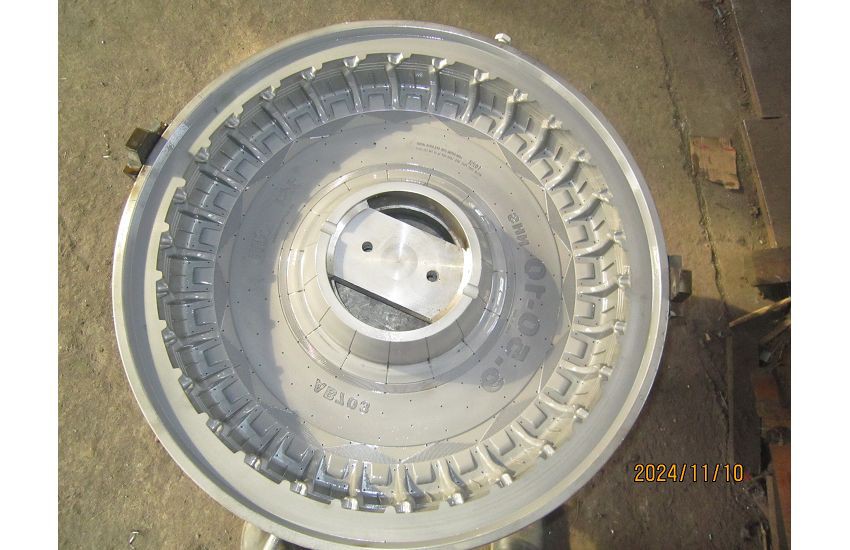
If you are in the market for forklift tire molds, or if you are interested in our Light Truck Tire Mold, Truck Tyre Mould, or Dump Truck Tire Mold, we would be delighted to discuss your requirements. Our team of experts is ready to work with you to provide customized solutions that fit your budget and production needs. Contact us today to start the procurement negotiation process and take your forklift tire manufacturing to the next level.
References
- "Materials Science for Engineers" by Askeland, Donald R., and Wright, Wendelin J.
- "Mold Making Technology" by various industry experts, published by leading manufacturing technology publishers.


