


Hey there! As a supplier of forklift tire molds, I often get asked a lot of technical questions about our products. One question that pops up more often than you'd think is, "What is the electrical conductivity of a forklift tire mold?" Let's dig into this topic and break it down.
First off, let's understand what electrical conductivity is. In simple terms, electrical conductivity is a measure of how well a material can conduct an electric current. Materials with high electrical conductivity allow electricity to flow through them easily, while those with low conductivity resist the flow of electricity. Metals like copper and aluminum are well - known for their high electrical conductivity, which is why they're used in electrical wiring. On the other hand, materials like rubber are poor conductors of electricity, also known as insulators.
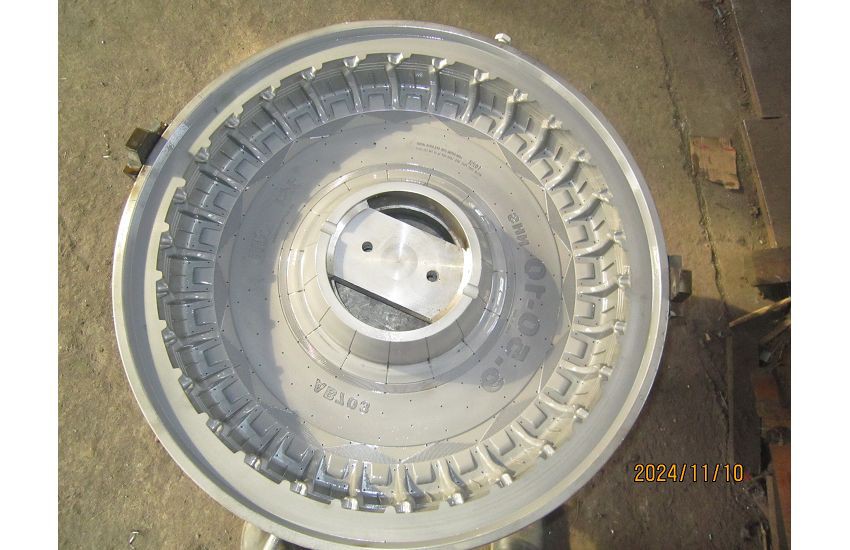

Now, when it comes to forklift tire molds, they are typically made from steel or other metal alloys. Steel is a good conductor of electricity because it contains free electrons that can move easily through the material when an electric potential is applied. The electrical conductivity of steel can vary depending on its composition. For example, carbon steel, which is commonly used in mold manufacturing, has an electrical conductivity that's influenced by the amount of carbon and other alloying elements present.
The electrical conductivity of a forklift tire mold is important for a few reasons. One of the main reasons is related to the manufacturing process. During the production of forklift tires using the mold, there are often processes that involve heating. Induction heating, for instance, is a method where an alternating magnetic field is used to heat the mold. The electrical conductivity of the mold material plays a crucial role in how efficiently this heating process works. A mold with higher electrical conductivity will heat up more quickly and evenly, which can lead to better quality tire production.
Another aspect where electrical conductivity matters is in terms of safety. Forklift tire molds are often used in industrial settings where there is a risk of electrical hazards. If a mold has a proper electrical conductivity, it can help in grounding. Grounding is a safety measure that diverts electrical current safely to the ground in case of a fault. This helps prevent electric shocks to workers and damage to equipment.
Let's talk a bit about the factors that can affect the electrical conductivity of a forklift tire mold. As I mentioned earlier, the composition of the metal is a major factor. Different alloying elements can either increase or decrease the conductivity. For example, adding elements like chromium to steel can improve its corrosion resistance but may slightly reduce its electrical conductivity.
The manufacturing process of the mold also has an impact. Heat treatment, for example, can change the microstructure of the metal, which in turn can affect its electrical properties. A mold that has been properly heat - treated to achieve the right hardness and strength may also have an optimized electrical conductivity.
Now, I'd like to mention some of the other types of tire molds we offer. If you're interested in Truck Tyre Mould, we've got a great selection. These molds are designed to produce high - quality truck tires with excellent tread patterns and durability. We also have Fire Truck Tire Mold, which are specifically engineered to meet the demanding requirements of fire trucks. And for those in need of Dump Truck Tire Mold, we can provide molds that are built to withstand the heavy loads and rough terrains that dump trucks operate in.
If you're in the market for forklift tire molds or any of our other tire mold products, I encourage you to reach out to us. Whether you have questions about electrical conductivity, the manufacturing process, or just want to discuss your specific needs, we're here to help. We've got a team of experts who can guide you through the selection process and ensure you get the right mold for your business.
In conclusion, the electrical conductivity of a forklift tire mold is an important property that affects both the manufacturing process and safety. It's influenced by factors like the metal composition and the manufacturing techniques used. And if you're looking for top - quality tire molds, we're your go - to supplier. So, don't hesitate to contact us and start a conversation about your mold requirements.
References
- Materials Science and Engineering: An Introduction, William D. Callister Jr.
- Industrial Heating Handbook, ASM International.


