


What are the storage requirements for a truck tyre mould?
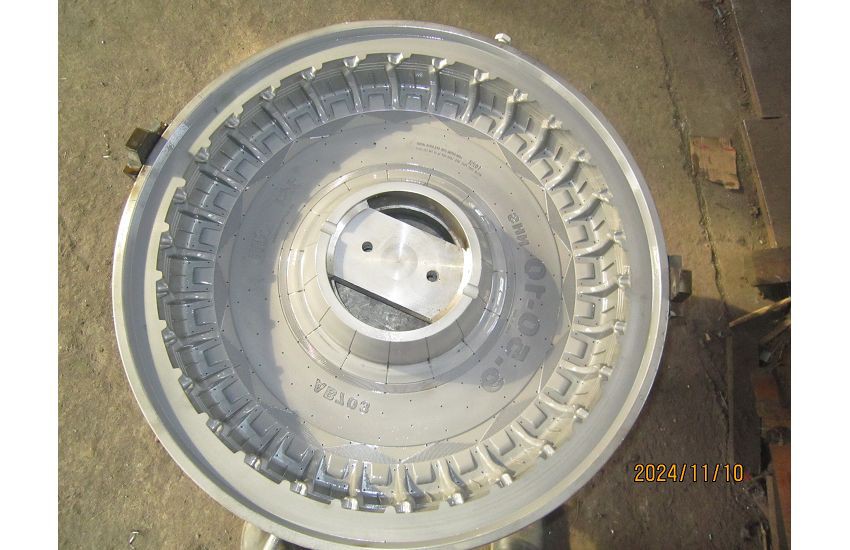
As a supplier of Truck Tyre Mould, I understand the critical importance of proper storage for these essential industrial tools. Truck tyre moulds are not only expensive but also play a pivotal role in the production of high - quality truck tyres. Incorrect storage can lead to damage, deformation, and a significant reduction in their service life, which in turn can affect the quality of the tyres produced and increase production costs. In this blog, I will discuss the key storage requirements for truck tyre moulds.
Temperature and Humidity Control
One of the most crucial factors in storing truck tyre moulds is maintaining the right temperature and humidity levels. Moulds are typically made of high - grade steel, and extreme temperature and humidity changes can cause them to expand, contract, or rust.
Ideally, the storage area should have a stable temperature range. A temperature between 10°C and 30°C is generally recommended. This relatively narrow range helps to prevent thermal stress on the moulds. When the temperature is too high, the steel may expand, which can lead to dimensional changes in the mould. Over time, these changes can affect the precision of the tyre patterns and the overall quality of the tyres produced. On the other hand, extremely low temperatures can make the steel more brittle, increasing the risk of cracking.
Humidity also needs to be carefully controlled. High humidity levels can cause rust and corrosion on the surface of the moulds. Rust not only damages the appearance of the moulds but also affects their functionality. It can cause the moulds to stick during the tyre - making process and can also contaminate the tyres. A relative humidity level of around 40% - 60% is considered optimal for mould storage. To achieve this, dehumidifiers or humidifiers can be used in the storage facility, depending on the local climate conditions.
Cleanliness of the Storage Area
The storage area for truck tyre moulds must be kept clean. Dust, dirt, and debris can accumulate on the moulds and cause scratches or other damage. These contaminants can also interfere with the tyre - making process, leading to defects in the tyres.
Regular cleaning of the storage area is essential. Floors should be swept and mopped frequently to remove any loose dirt. The moulds themselves should be cleaned before storage. A mild detergent and a soft brush can be used to remove any residual rubber, oil, or other substances from the surface of the moulds. After cleaning, the moulds should be thoroughly dried to prevent moisture - related damage.
In addition, the storage area should be protected from external sources of contamination. This may involve installing air filters to prevent dust from entering the facility and ensuring that the doors and windows are properly sealed.
Proper Support and Positioning
Truck tyre moulds are heavy and bulky items, and they need to be stored in a way that provides proper support. Improper support can cause the moulds to deform, which can have a negative impact on their performance.
Moulds should be stored on a flat and stable surface. Pallets or racks can be used to elevate the moulds off the ground, which helps to prevent damage from moisture and dirt. When using racks, it is important to ensure that they are strong enough to support the weight of the moulds. The racks should also be designed in a way that allows easy access to the moulds for inspection and retrieval.
The positioning of the moulds is also important. They should be stored in an upright position whenever possible. This helps to maintain their shape and prevents any unnecessary stress on the mould components. If the moulds need to be stored horizontally, they should be placed on a cushioning material, such as rubber pads, to distribute the weight evenly.
Protection from Physical Damage
During storage, truck tyre moulds are vulnerable to physical damage from various sources, such as collisions, impacts, and abrasions. To prevent this type of damage, the storage area should be designed to minimize the risk of accidents.
Moulds should be stored in an area that is separate from other heavy equipment or machinery that could potentially collide with them. Adequate spacing should be provided between the moulds to prevent them from rubbing against each other. Protective covers can also be used to shield the moulds from scratches and other surface damage. These covers can be made of materials such as plastic or fabric and should be custom - fit to the moulds for maximum protection.
Regular Inspection
Regular inspection of the stored truck tyre moulds is necessary to detect any signs of damage or deterioration early. Inspections should be carried out at least once every few months, depending on the storage conditions.
During an inspection, the moulds should be checked for any visible signs of rust, corrosion, cracks, or deformation. The surface finish of the moulds should also be examined for scratches or other damage. Any issues that are detected should be addressed immediately to prevent further damage.
In addition to visual inspections, non - destructive testing methods can be used to detect internal defects in the moulds. Ultrasonic testing, for example, can be used to detect cracks or other flaws that may not be visible to the naked eye.
Compatibility with Other Products
If the storage area is used to store other products in addition to truck tyre moulds, it is important to ensure that these products are compatible. Some chemicals or substances may react with the moulds and cause damage.
For example, if there are solvents or corrosive materials stored in the same area, they should be kept in a separate, well - ventilated section of the facility. This helps to prevent any fumes or spills from coming into contact with the moulds.
Documentation and Record - Keeping
Proper documentation and record - keeping are essential for the storage of truck tyre moulds. Each mould should be labeled with a unique identifier, which can be used to track its history, including its manufacturing date, usage history, and any maintenance or repair work that has been carried out.
Records should also be kept of the storage conditions, such as temperature and humidity levels, as well as the results of any inspections. This information can be used to identify trends and potential problems over time. It can also be useful for quality control purposes and for ensuring compliance with industry standards.
In conclusion, proper storage of truck tyre moulds is essential for maintaining their quality and performance. By controlling temperature and humidity, keeping the storage area clean, providing proper support and positioning, protecting the moulds from physical damage, conducting regular inspections, ensuring compatibility with other products, and maintaining accurate documentation, suppliers can ensure that their moulds are in optimal condition for use.
If you are in the market for high - quality Truck Tyre Mould, Forklift Tire Mold, or Light Truck Tire Mold, we are here to provide you with the best products and services. Contact us for more information and to discuss your specific requirements. We look forward to the opportunity to work with you and contribute to the success of your tyre - manufacturing business.

References
- ASTM International. (Year). Standard practices for storage of industrial equipment.
- Tire Manufacturers Association. (Year). Guidelines for the storage and maintenance of tyre moulds.
- Industry research reports on the storage requirements of heavy - duty industrial tools.


