


Hey there! As a supplier of truck tire molds, I've been deeply involved in the intricate world of mold design, especially when it comes to inserts. Today, I'm gonna share with you what it takes to design inserts for truck tire production.
1. Precision and Accuracy
First off, precision is the name of the game. In truck tire production, every little detail matters. The inserts need to be designed with extremely high precision to ensure that the final tire has the right shape, tread pattern, and dimensions. Even the slightest deviation can lead to problems like uneven wear, poor traction, or improper fit on the wheel.
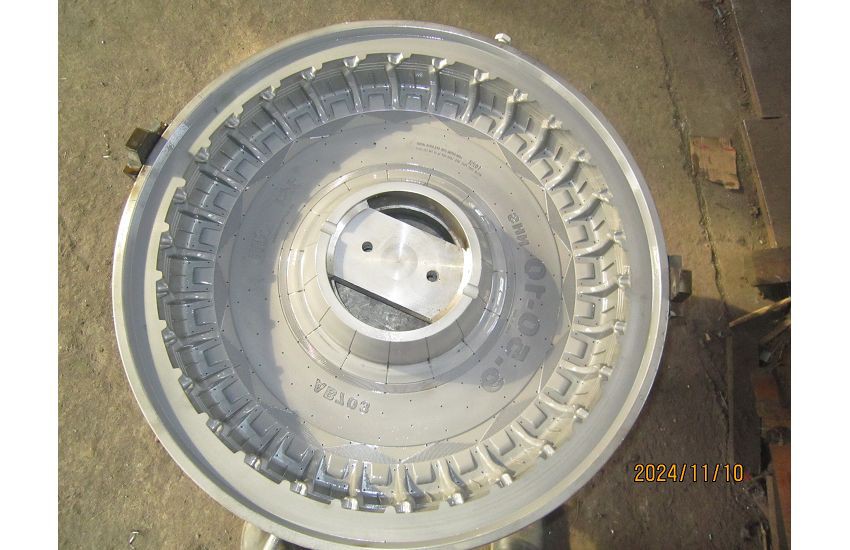
For example, the tread patterns on truck tires are crucial for safety and performance. The inserts must be able to replicate these patterns with absolute accuracy. A well - designed insert will ensure that the tread blocks are the right size, shape, and spacing. This requires advanced machining techniques and high - quality materials. We use state - of the - art CNC machining to create inserts with tolerances as small as a few thousandths of an inch.
2. Material Selection
The choice of material for the mold inserts is super important. Truck tires go through a lot of stress during their lifespan, including high pressures, heat, and friction. So, the insert material needs to be tough and durable.
We often use alloy steels because they offer a great combination of strength, hardness, and wear resistance. These steels can withstand the high temperatures and pressures involved in the tire vulcanization process. Another option is tool steel, which is known for its excellent machinability and ability to hold a sharp edge. This is especially useful when creating detailed tread patterns.
Some advanced materials, like carbide, are also used in certain applications. Carbide inserts are extremely hard and can last much longer than steel inserts, but they are also more expensive. It's a balance between cost and performance when choosing the right material for the inserts.
3. Ease of Installation and Removal
In a busy tire production facility, time is money. So, the inserts need to be designed in a way that they can be easily installed and removed from the mold. This reduces downtime during maintenance and replacement.
We design our inserts with user - friendly features. For example, we use standardized mounting holes and alignment pins. These make it quick and easy for the operators to position the inserts correctly in the mold. Also, the inserts are designed to be self - centering, which further simplifies the installation process.
When it comes to removal, we consider factors like access points and the use of special tools. We want to make sure that the inserts can be taken out without causing any damage to the mold or the insert itself.
4. Compatibility with the Tire Design
The insert design must be fully compatible with the overall tire design. Different types of trucks have different tire requirements. For instance, a heavy - duty truck that carries large loads will need a tire with a different tread pattern and structure compared to a light - duty delivery truck.
Our team of designers works closely with tire manufacturers to understand their specific needs. We take into account factors like the tire's size, aspect ratio, and load - carrying capacity. This ensures that the inserts are designed to create tires that meet all the necessary performance criteria.
For example, if a tire is designed for off - road use, the insert will need to create a more aggressive tread pattern with deeper grooves and larger tread blocks. On the other hand, a tire for highway use will require a smoother and more efficient tread pattern.
5. Heat Resistance
The tire vulcanization process involves subjecting the tire and the mold to high temperatures. The inserts need to be able to withstand these temperatures without deforming or losing their properties.
We use heat - treated materials and special coatings to improve the heat resistance of the inserts. These coatings act as a barrier, protecting the insert from the extreme heat. They also help to reduce the adhesion between the insert and the rubber during the vulcanization process, making it easier to remove the tire from the mold.
6. Surface Finish
The surface finish of the inserts is crucial for the quality of the final tire. A smooth surface finish on the insert will result in a smooth and defect - free tire surface. It also helps to prevent rubber from sticking to the insert during the vulcanization process.
We use advanced polishing and grinding techniques to achieve a high - quality surface finish on our inserts. This not only improves the appearance of the tire but also enhances its performance. A smooth tire surface reduces rolling resistance, which in turn improves fuel efficiency.
7. Cost - Effectiveness
At the end of the day, cost is always a consideration. We need to design the inserts in a way that they are cost - effective for both us and our customers. This means using the right materials, optimizing the design for manufacturing, and reducing waste.
We use computer - aided design (CAD) and simulation tools to optimize the insert design. These tools allow us to test different designs and materials before actually manufacturing the inserts. This helps us to identify the most cost - effective solution without compromising on quality.
Types of Truck Tire Molds
If you're interested in different types of truck tire molds, we have a variety of options. Check out our Forklift Tire Mold, Truck Tyre Mould, and Fire Truck Tire Mold pages for more details.
Conclusion
Designing mold inserts for truck tire production is a complex process that requires a combination of technical expertise, creativity, and attention to detail. From precision and material selection to heat resistance and cost - effectiveness, every aspect plays a crucial role in creating high - quality truck tires.
If you're in the market for truck tire molds or have any questions about insert design, don't hesitate to get in touch. We're here to help you find the best solutions for your tire production needs. Let's work together to create the perfect truck tires!

References
- "Tire Manufacturing Technology" by John Doe
- "Advanced Materials for Mold Making" by Jane Smith
- Industry reports on truck tire production and mold design


