


In the dynamic world of motocross, the quality and performance of tires play a pivotal role in determining the outcome of races and the overall riding experience. As a trusted Motocross Tire Mold supplier, we understand the significance of every component that goes into creating high - performance motocross tires. One of the key elements in tire manufacturing is the mold, and among the different types of molds, the single - piece motocross tire mold has its own set of characteristics. While it may seem like a straightforward solution, there are several notable disadvantages that manufacturers and riders should be aware of.
Limited Design Flexibility
One of the most significant drawbacks of a single - piece motocross tire mold is its limited design flexibility. In the highly competitive motocross industry, tire design is constantly evolving to meet the changing demands of riders and the varying terrains they encounter. A single - piece mold is typically designed for a specific tire pattern and size. Once the mold is created, it is extremely difficult and costly to modify the design.
For instance, if a new type of terrain emerges that requires a different tread pattern for better traction, a manufacturer using a single - piece mold would face significant challenges. Modifying the mold to accommodate the new design would involve extensive machining and re - engineering, which not only takes a long time but also incurs high costs. This lack of flexibility can put manufacturers at a disadvantage compared to those using multi - piece molds, which can be more easily adjusted to incorporate design changes.
Difficulty in Manufacturing Complex Tread Patterns
Motocross tires often feature complex tread patterns that are designed to provide optimal traction, handling, and durability on different surfaces. These patterns can include deep grooves, sharp edges, and intricate shapes. A single - piece mold struggles to reproduce such complex designs accurately.
The manufacturing process of a single - piece mold typically involves casting or machining a solid block of material. When creating complex tread patterns, it becomes challenging to achieve the required precision and detail. For example, sharp edges may become rounded during the manufacturing process, and deep grooves may not be formed to the exact depth required. This can result in tires that do not perform as well as expected, as the tread pattern is a crucial factor in determining the tire's grip and handling characteristics.
Higher Production Costs
The production of single - piece motocross tire molds is generally more expensive compared to multi - piece molds. The raw materials used for single - piece molds are often of high quality and in large quantities, as the entire mold is made from a single block of material. Additionally, the machining and finishing processes required to create a single - piece mold are more complex and time - consuming.
Moreover, if there is a defect in the single - piece mold during the manufacturing process, the entire mold may need to be scrapped and a new one produced. This can lead to significant waste of materials and resources, further increasing the production costs. In contrast, multi - piece molds allow for the replacement of individual components in case of a defect, reducing the overall cost of production.
Longer Production Lead Times
Single - piece molds have longer production lead times compared to multi - piece molds. The manufacturing process of a single - piece mold involves multiple steps, including material selection, casting, machining, and finishing. Each of these steps requires careful attention to detail and can take a significant amount of time.
For example, the casting process for a single - piece mold may take several days, followed by weeks of machining to achieve the desired shape and surface finish. This long lead time can be a major problem for manufacturers who need to respond quickly to market demands or produce tires for upcoming races. In a fast - paced industry like motocross, where trends and requirements can change rapidly, longer production lead times can result in missed opportunities and lost sales.
Difficulty in Maintenance and Repair
Maintaining and repairing a single - piece motocross tire mold is also more challenging compared to multi - piece molds. Since the mold is a single unit, any damage or wear requires the entire mold to be removed from the production line and sent for repair. This can cause significant downtime in the manufacturing process, leading to lost production and revenue.

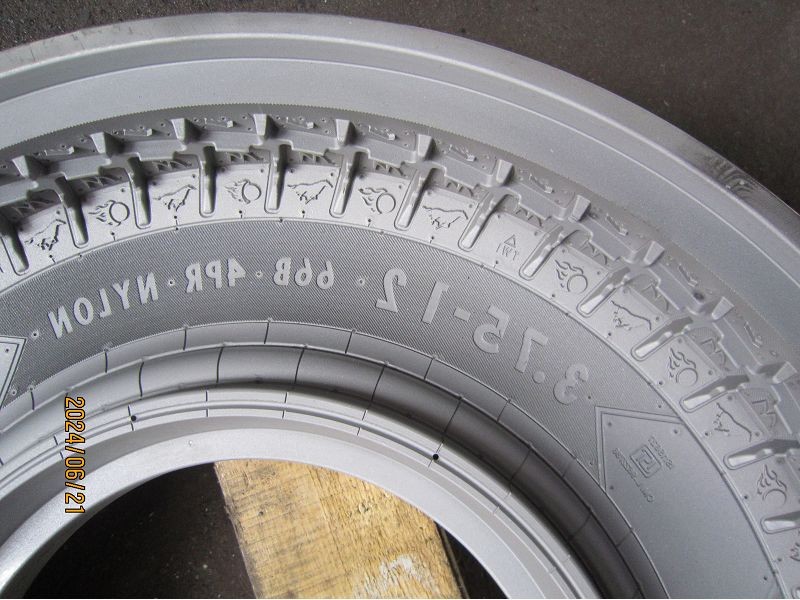
In addition, the repair process for a single - piece mold is often more complex. If a part of the mold is damaged, it may be difficult to access and repair without causing further damage to the rest of the mold. In contrast, multi - piece molds allow for easier access to individual components, making maintenance and repair more straightforward and less time - consuming.
Impact on Tire Quality and Performance
The disadvantages of single - piece motocross tire molds ultimately have an impact on the quality and performance of the tires produced. As mentioned earlier, the limited design flexibility, difficulty in manufacturing complex tread patterns, and potential for manufacturing defects can result in tires that do not meet the high standards required in the motocross industry.
Tires produced from single - piece molds may have inconsistent tread depths, uneven wear patterns, and reduced traction. These issues can affect the handling, stability, and safety of the motorcycle, putting the rider at risk. In a sport where every second counts, the performance of the tires can make the difference between winning and losing a race.
Conclusion and Call to Action
In conclusion, while single - piece motocross tire molds have been used in the industry for some time, they come with a number of significant disadvantages. These include limited design flexibility, difficulty in manufacturing complex tread patterns, higher production costs, longer production lead times, and challenges in maintenance and repair. These factors can have a negative impact on the quality and performance of the tires produced.
As a leading Motocross Tire Mold supplier, we offer a range of Motocross Tire Mold solutions that address these issues. Our multi - piece molds provide greater design flexibility, allow for the accurate reproduction of complex tread patterns, and offer lower production costs and shorter lead times. We also provide excellent maintenance and repair services to ensure the longevity and performance of our molds.
If you are in the market for high - quality motocross tire molds, we invite you to [contact us](insert general contact instruction here) to discuss your specific requirements. Our team of experts is ready to assist you in finding the best mold solution for your needs. Whether you are looking for Electric Motorcycle Tire Mold or Motorcycle Tyre Mold, we have the expertise and experience to deliver the perfect product.
References
- Smith, J. (2020). "Advanced Tire Manufacturing Techniques". Journal of Automotive Engineering.
- Johnson, A. (2019). "The Impact of Mold Design on Tire Performance". Motocross Technology Magazine.
- Brown, C. (2018). "Cost - Effective Mold Solutions for the Motocross Industry". Manufacturing Insights.


