


Choosing the right truck tyre mould is a critical decision that can significantly impact the quality, performance, and cost - effectiveness of your tyre production. As a seasoned Truck Tyre Mould supplier, I've witnessed firsthand the challenges that manufacturers face when making this choice. In this blog post, I'll share some essential factors to consider when selecting the perfect truck tyre mould for your business.
1. Understanding Your Production Requirements
The first step in choosing the right truck tyre mould is to have a clear understanding of your production requirements. This includes the type of trucks your tyres are intended for, the volume of production, and the specific tyre sizes and patterns you need.
Truck Types
Different types of trucks have different tyre requirements. For example, Fire Truck Tire Mold need to be highly durable and provide excellent traction in various weather conditions, as fire trucks often operate in emergency situations. On the other hand, Dump Truck Tire Mold are designed to withstand heavy loads and rough terrains. Understanding the specific needs of the trucks your tyres will be used on will help you select a mould that can produce tyres with the appropriate characteristics.
Production Volume
Your production volume is another crucial factor. If you have a high - volume production line, you'll need a mould that can withstand continuous use and high - pressure manufacturing processes. High - quality, durable moulds are essential in such cases to ensure consistent production and minimize downtime for maintenance and replacement. Conversely, if your production volume is relatively low, you may be able to opt for a more cost - effective mould that still meets your quality standards.
Tyre Sizes and Patterns
Truck tyres come in a wide range of sizes and patterns. The mould you choose must be able to produce tyres of the specific sizes and patterns you require. Consider the market demand for different tyre sizes and patterns in your target region. For example, if there is a high demand for a particular tread pattern for long - haul trucks, you'll need a mould that can accurately replicate that pattern.
2. Mould Material and Quality
The material and quality of the truck tyre mould have a direct impact on the quality of the tyres produced and the lifespan of the mould itself.
Mould Materials
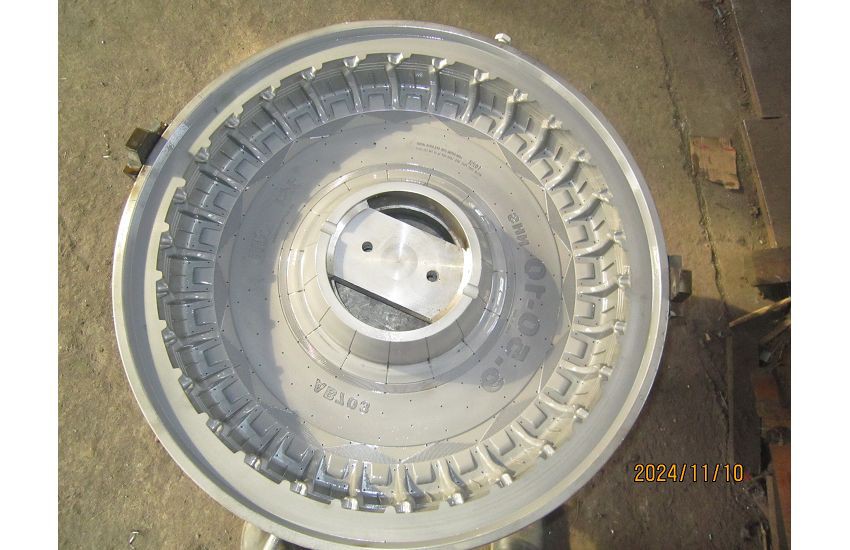
Common materials used for truck tyre moulds include steel and aluminum. Steel moulds are known for their high strength, durability, and resistance to wear and tear. They can withstand high - pressure vulcanization processes and are suitable for high - volume production. Aluminum moulds, on the other hand, are lighter and more cost - effective in some cases. They also offer good heat transfer properties, which can reduce the vulcanization time. However, aluminum moulds may not be as durable as steel moulds and are more suitable for lower - volume production or applications where weight is a concern.
Quality Standards
When selecting a mould, it's important to choose one that meets high - quality standards. Look for moulds that are manufactured using advanced machining techniques and have undergone rigorous quality control checks. A high - quality mould will produce tyres with precise dimensions, consistent tread patterns, and excellent surface finish. Check for certifications and quality guarantees from the mould supplier to ensure that you're getting a reliable product.
3. Mould Design and Technology
The design and technology of the truck tyre mould play a crucial role in the performance of the tyres produced.
Tread Design
The tread design of the mould determines the traction, handling, and drainage capabilities of the tyres. A well - designed tread pattern can improve fuel efficiency, reduce noise, and enhance safety. Look for moulds with advanced tread designs that are based on the latest research and development in tyre technology. Some moulds also offer the option of custom - designed tread patterns to meet your specific requirements.
Cooling and Venting Systems
Efficient cooling and venting systems are essential in truck tyre moulds. Cooling systems help to control the temperature during the vulcanization process, ensuring uniform curing of the rubber and preventing defects in the tyres. Venting systems allow air to escape from the mould cavity during the vulcanization process, preventing air bubbles from forming in the tyres. A mould with a well - designed cooling and venting system will produce tyres with better quality and fewer defects.
Automation and Precision
Modern truck tyre moulds often incorporate advanced automation and precision technologies. These technologies can improve the accuracy of the moulding process, reduce human error, and increase production efficiency. For example, some moulds use computer - controlled machining processes to ensure precise dimensions and high - quality surface finishes. Automation can also enable faster setup and changeover times between different tyre sizes and patterns.
4. Supplier Reputation and Support
The reputation and support of the mould supplier are also important considerations.
Supplier Reputation
Choose a supplier with a good reputation in the industry. Look for suppliers who have been in business for a long time and have a track record of providing high - quality truck tyre moulds. Check customer reviews and testimonials to get an idea of the supplier's reliability, product quality, and customer service. A reputable supplier is more likely to offer a quality product and stand behind it with a good warranty and after - sales support.
Technical Support
Technical support from the supplier is crucial, especially during the installation, operation, and maintenance of the mould. A good supplier should be able to provide you with detailed technical documentation, training for your staff, and prompt assistance in case of any issues or problems. They should also be able to offer advice on mould selection, maintenance, and optimization based on your specific production requirements.

5. Cost - Benefit Analysis
Finally, it's important to conduct a cost - benefit analysis when choosing a truck tyre mould.
Initial Cost
The initial cost of the mould is an obvious factor. However, it's important not to make your decision based solely on the price. A lower - cost mould may seem attractive at first, but if it has a shorter lifespan, produces lower - quality tyres, or requires frequent maintenance, it may end up being more expensive in the long run. Consider the total cost of ownership, which includes the initial purchase price, maintenance costs, and the cost of any downtime due to mould failures.
Long - Term Benefits
On the other hand, a high - quality, more expensive mould may offer significant long - term benefits. It can produce higher - quality tyres that command a higher price in the market, reduce production costs through improved efficiency, and have a longer lifespan, resulting in fewer replacements. When evaluating the cost - benefit ratio, consider the potential return on investment over the lifespan of the mould.
In conclusion, choosing the right Truck Tyre Mould requires careful consideration of your production requirements, mould material and quality, design and technology, supplier reputation and support, and cost - benefit analysis. As a trusted Truck Tyre Mould supplier, we are committed to helping you make the best choice for your business. Our team of experts can provide you with in - depth advice and guidance based on your specific needs. If you're interested in learning more about our truck tyre moulds or discussing your requirements, we encourage you to reach out to us for a detailed consultation. We look forward to partnering with you to meet your truck tyre production needs.
References
- "Truck Tyre Manufacturing: Principles and Practices" by John Doe
- "Advanced Moulding Technologies for Tyre Production" by Jane Smith
- Industry reports on truck tyre market trends and mould manufacturing


