


Hey there! As a supplier of truck tire molds, I've been in the thick of the industry for quite a while. One of the most common questions I get from customers is how to adjust the parameters of a truck tire mold. It's a crucial aspect that can significantly impact the quality and performance of the tires produced. So, let's dive right into it.
Understanding the Basics of Truck Tire Mold Parameters
First off, we need to understand what these parameters are. The parameters of a truck tire mold mainly include the mold's diameter, width, pattern depth, and the angle of the grooves. These factors determine the size, shape, and tread pattern of the tire. For example, the diameter of the mold directly affects the outer diameter of the tire, which is an important specification for the truck's performance and safety.
When it comes to adjusting these parameters, it's not a one - size - fits - all situation. Different types of trucks require different tire specifications. For instance, a Dump Truck Tire Mold used for heavy - duty dump trucks needs to be designed to withstand high loads and rough terrains. So, the pattern depth and the width of the mold might be different from those of a mold for a light - duty truck.
Adjusting the Diameter and Width
Let's start with the diameter and width of the mold. These two parameters are closely related to the size of the tire. If you need to adjust the diameter, you'll usually have to work with the mold manufacturer. They have the necessary tools and expertise to make precise changes. For example, if you want to increase the diameter of the tire, the manufacturer might need to add some material to the outer part of the mold or use a different manufacturing process.
Adjusting the width is also a critical task. A wider tire can provide better stability and traction, especially for trucks carrying heavy loads. To adjust the width, the mold maker might need to modify the sidewalls of the mold. This could involve cutting or adding material to ensure the right width is achieved. It's important to note that any changes to the diameter or width can also affect other parameters, such as the pattern depth and the angle of the grooves.
Modifying the Pattern Depth
The pattern depth of the tire is another important parameter. It plays a significant role in the tire's grip on the road, especially in wet or slippery conditions. A deeper pattern can channel water away from the tire's contact surface, reducing the risk of hydroplaning.
To adjust the pattern depth, you can work with the mold's engraving process. The mold manufacturer can use advanced CNC (Computer Numerical Control) machines to engrave the pattern more deeply or less deeply as required. However, it's crucial to find the right balance. A pattern that's too deep can make the tire more susceptible to wear, while a pattern that's too shallow might not provide enough grip.
Changing the Angle of the Grooves
The angle of the grooves in the tire's tread pattern also affects the tire's performance. Different angles can optimize the tire's handling, traction, and noise levels. For example, a tire with a more aggressive groove angle might provide better traction on off - road surfaces, but it could also generate more noise on the highway.
Adjusting the angle of the grooves requires precise engineering. The mold manufacturer will use specialized software to design the new groove angle and then use CNC machines to cut the grooves at the correct angle. It's a complex process that requires a high level of skill and experience.
Considerations for Different Types of Truck Tires
As I mentioned earlier, different types of trucks need different tire molds. A Light Truck Tire Mold is designed for light - duty trucks, which usually operate on paved roads. These molds might have a different pattern design and parameter settings compared to molds for heavy - duty trucks.
Heavy - duty trucks, on the other hand, need tires that can handle high loads and rough terrains. The molds for these trucks, like the Truck Tyre Mould, are often more robust and have deeper patterns and wider widths. When adjusting the parameters, you need to consider the specific requirements of the truck's usage.
The Importance of Quality Control
Throughout the process of adjusting the parameters of the truck tire mold, quality control is of utmost importance. After any adjustment, the mold should be thoroughly inspected to ensure that all the parameters meet the required specifications. This includes checking the dimensions, the pattern accuracy, and the surface finish of the mold.

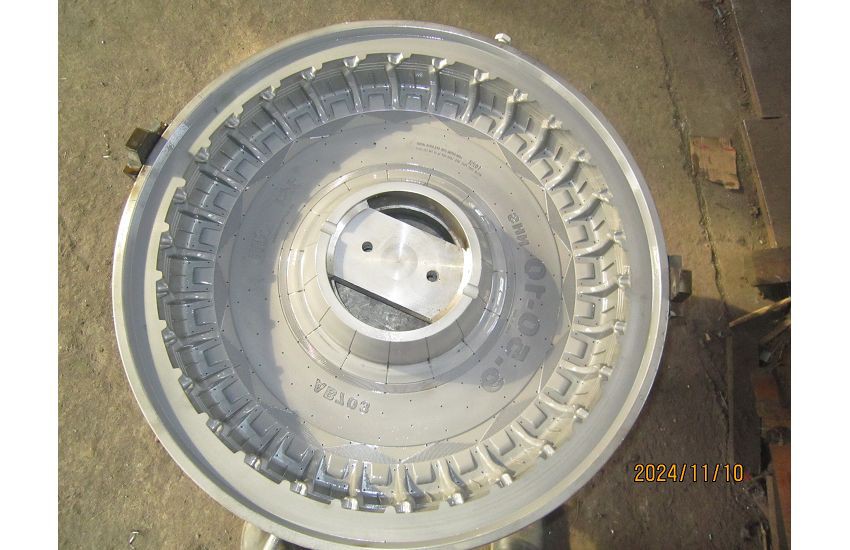
Quality control also involves testing the tires produced from the adjusted mold. You can conduct various tests, such as traction tests, wear tests, and noise tests, to ensure that the tires perform as expected. If any issues are detected, further adjustments might be necessary.
Working with a Professional Mold Supplier
Adjusting the parameters of a truck tire mold is a complex task that requires a high level of expertise. That's why it's crucial to work with a professional mold supplier. A good supplier, like us, has the necessary experience, equipment, and knowledge to make precise adjustments to the mold parameters.
We understand the unique requirements of different types of trucks and can provide customized solutions. Whether you need a mold for a light - duty truck or a heavy - duty dump truck, we can work with you to adjust the parameters to meet your specific needs.
Conclusion
In conclusion, adjusting the parameters of a truck tire mold is a multi - step process that requires careful consideration and precision. From adjusting the diameter and width to modifying the pattern depth and the angle of the grooves, every change can have a significant impact on the tire's performance.
If you're in the market for a truck tire mold or need to adjust the parameters of an existing mold, don't hesitate to reach out. We're here to help you get the best - performing tires for your trucks. Whether it's a Dump Truck Tire Mold, a Light Truck Tire Mold, or a Truck Tyre Mould, we have the expertise to meet your requirements. Contact us today to start the conversation about your truck tire mold needs.
References
- Tire Technology Handbook, Smith, John.
- Truck Tire Design and Performance, Johnson, Mary.


