


Temperature is a critical factor that significantly influences the performance and functionality of motocross tire molds. As a trusted supplier of Motocross Tire Mold, we understand the intricate relationship between temperature and the quality of these molds. In this blog, we will delve into the various ways temperature affects a motocross tire mold and how it impacts the overall production process.
Thermal Expansion and Contraction
One of the most evident effects of temperature on a motocross tire mold is thermal expansion and contraction. Materials expand when heated and contract when cooled. In the context of a tire mold, this property can cause significant dimensional changes. When the mold is heated during the vulcanization process, the metal within the mold expands. If the temperature is not carefully controlled, this expansion can lead to inaccuracies in the mold's dimensions, which directly translates to flaws in the tires produced.
For example, if the expansion is not uniform across the mold, certain parts of the tire may have a different thickness or shape than intended. This can affect the tire's performance, such as its grip on the track, stability, and overall durability. On the other hand, when the mold cools down after the production cycle, contraction occurs. Rapid cooling can cause stress within the mold, leading to potential cracks or warping over time.
To mitigate these issues, precise temperature control is essential. We use advanced temperature monitoring systems to ensure that the mold is heated and cooled at a consistent rate. This helps maintain the integrity of the mold's dimensions and ensures that each tire produced is of the highest quality.
Vulcanization Process
Vulcanization is a chemical process that transforms rubber into a more durable material by adding sulfur or other curatives and applying heat. The temperature during the vulcanization process plays a crucial role in determining the properties of the final tire. In a motocross tire mold, the optimal temperature range for vulcanization is typically between 140°C and 180°C (284°F to 356°F).
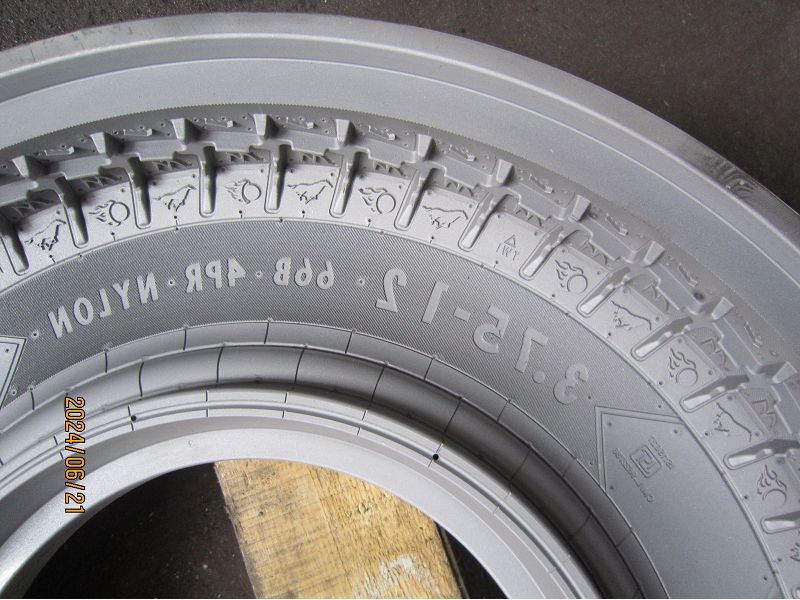

If the temperature is too low, the vulcanization process may not be complete. This can result in a tire that is under - cured, with poor physical properties such as low tensile strength, reduced abrasion resistance, and a sticky surface. On the contrary, if the temperature is too high, the rubber can over - cure, becoming brittle and losing its elasticity. This can cause the tire to crack easily under stress, reducing its lifespan.
As a Motocross Tire Mold supplier, we design our molds to ensure uniform heat distribution during vulcanization. Our molds are equipped with heating elements and insulation materials that help maintain a stable temperature throughout the process. This allows for consistent vulcanization and high - quality tires.
Surface Finish and Oxidation
Temperature also affects the surface finish of a motocross tire mold. At high temperatures, the metal surface of the mold is more prone to oxidation. Oxidation can cause the mold's surface to become rough, which in turn can transfer to the surface of the tire. A rough - surfaced tire may have reduced aerodynamics and may not perform well on the track.
Moreover, oxidation can also lead to corrosion of the mold over time. Corrosion weakens the mold's structure and can result in premature failure. To prevent oxidation and corrosion, we use high - quality metals with anti - oxidation properties in our molds. We also apply special coatings to the mold's surface to protect it from the high - temperature environment during production.
In addition to oxidation, temperature variations can cause thermal fatigue in the mold. Thermal fatigue occurs when the mold is repeatedly heated and cooled, causing stress on the metal. Over time, this stress can lead to the formation of micro - cracks on the mold's surface, which can grow and eventually cause the mold to fail. To reduce the impact of thermal fatigue, we design our molds with a focus on thermal stability and use materials that can withstand repeated temperature cycles.
Impact on Release Agents and Lubricants
Release agents and lubricants are used in motocross tire molds to facilitate the removal of the cured tire from the mold. Temperature can have a significant effect on the performance of these agents. At high temperatures, release agents may break down or evaporate, reducing their effectiveness. This can make it difficult to remove the tire from the mold, increasing the risk of damage to the tire or the mold itself.
Similarly, lubricants also need to maintain their properties at different temperatures. If the temperature is too high, the lubricant may thin out and lose its lubricating ability. This can cause increased friction between the mold and the tire, leading to a rough surface finish on the tire and potentially damaging the mold.
We recommend using high - quality release agents and lubricants that are specifically designed for high - temperature environments. Our team can provide guidance on the best products to use based on the specific temperature requirements of your production process.
The Role of Temperature in Mold Longevity
The overall lifespan of a motocross tire mold is closely related to how well the temperature is managed. As mentioned earlier, thermal expansion, oxidation, and thermal fatigue can all contribute to the degradation of the mold over time. By carefully controlling the temperature during the production process, we can significantly extend the lifespan of the mold.
For example, using a slower heating and cooling rate can reduce the stress on the mold's metal structure, minimizing the risk of cracks and warping. Additionally, maintaining a stable temperature during vulcanization helps prevent over - or under - curing, which can also affect the mold's longevity.
As a Motocross Tire Mold supplier, we offer molds that are designed with temperature management in mind. Our molds are built to withstand the rigors of high - temperature production processes and are engineered to last.
Conclusion
In conclusion, temperature has a profound impact on the performance of a motocross tire mold. From thermal expansion and contraction to the vulcanization process, surface finish, and mold longevity, every aspect of the mold's functionality is affected by temperature. As a leading supplier of Motocross Tire Mold products, we prioritize temperature control in our mold design and manufacturing processes to ensure the highest quality tires for our customers.
We also offer Electric Motorcycle Tire Mold and Motorcycle Tyre Mold to meet the diverse needs of the market. If you are looking for high - quality tire molds with excellent temperature management capabilities, we invite you to contact us to discuss your requirements. Our team of experts is ready to provide you with the best solutions for your production needs.
References
- Smith, J. (2018). The Science of Tire Manufacturing. New York: Industrial Press.
- Brown, A. (2019). Temperature Effects in Rubber Vulcanization. Rubber Technology Journal, 45(2), 78 - 85.
- Lee, R. (2020). Advanced Mold Materials for High - Temperature Applications. Manufacturing Technology Review, 30(3), 120 - 128.


